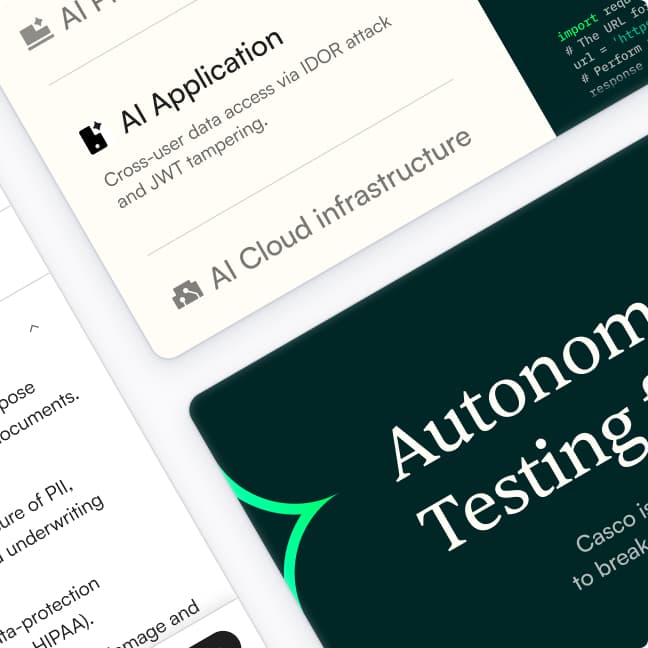
Autopilot is a lot to chew. So we made it tasty.
For Autopilot, clarity and structure are paramount. But they, like us, were bored by the AI and fintech sameness. So we set out for a website to make a CFO lean forward and a developer lean back.
The brief was clear in its ambition and honest about its difficulty. Autopilot is a technically dense product: Payment infrastructure with global ambitions, a novel AI-first approach and many features that still needed to prove their worth.
The branding was built around a specific duality: the shifting landscape of global finance on one side and the high-impact decision making on the other.
These things are abstract – until they become alive as a website.
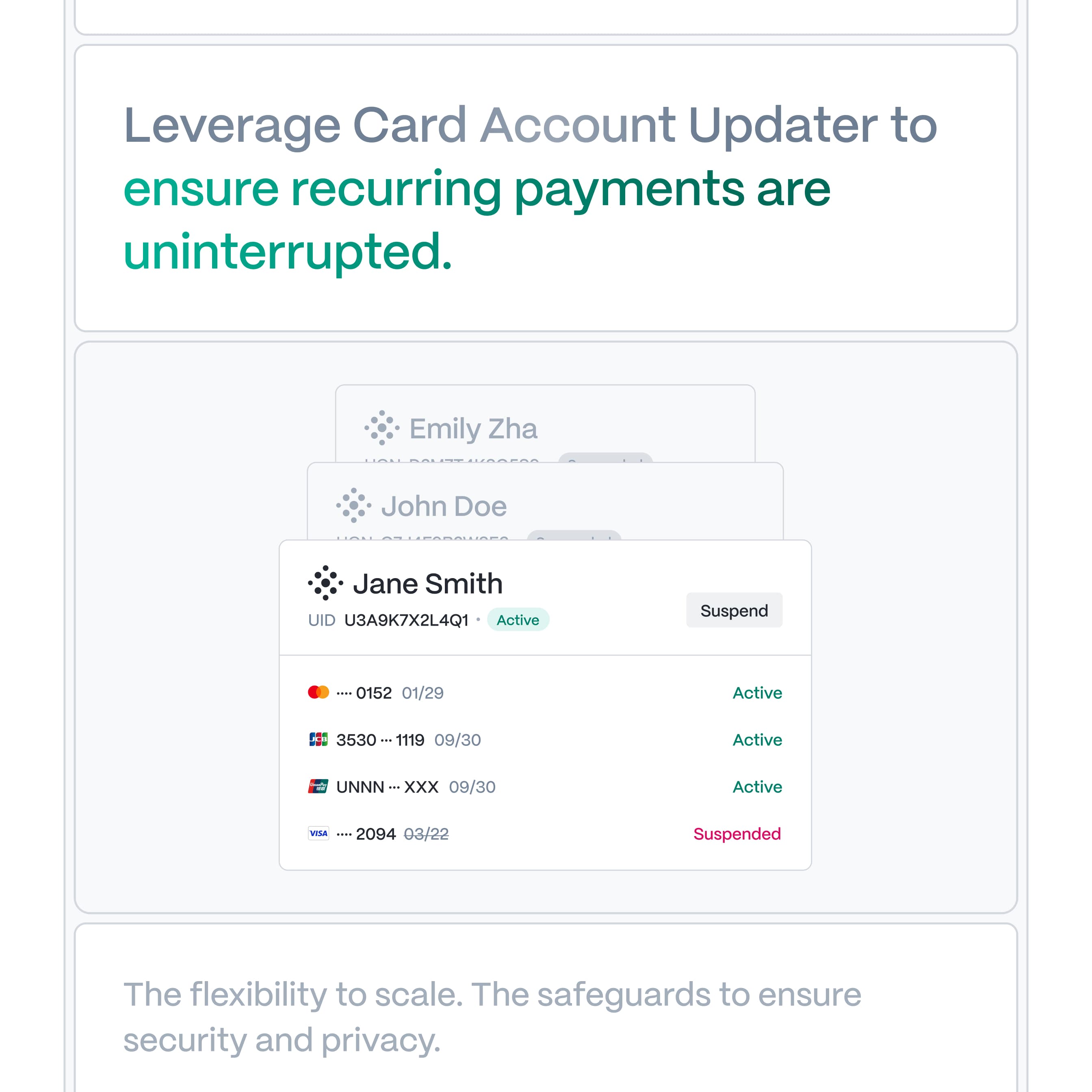
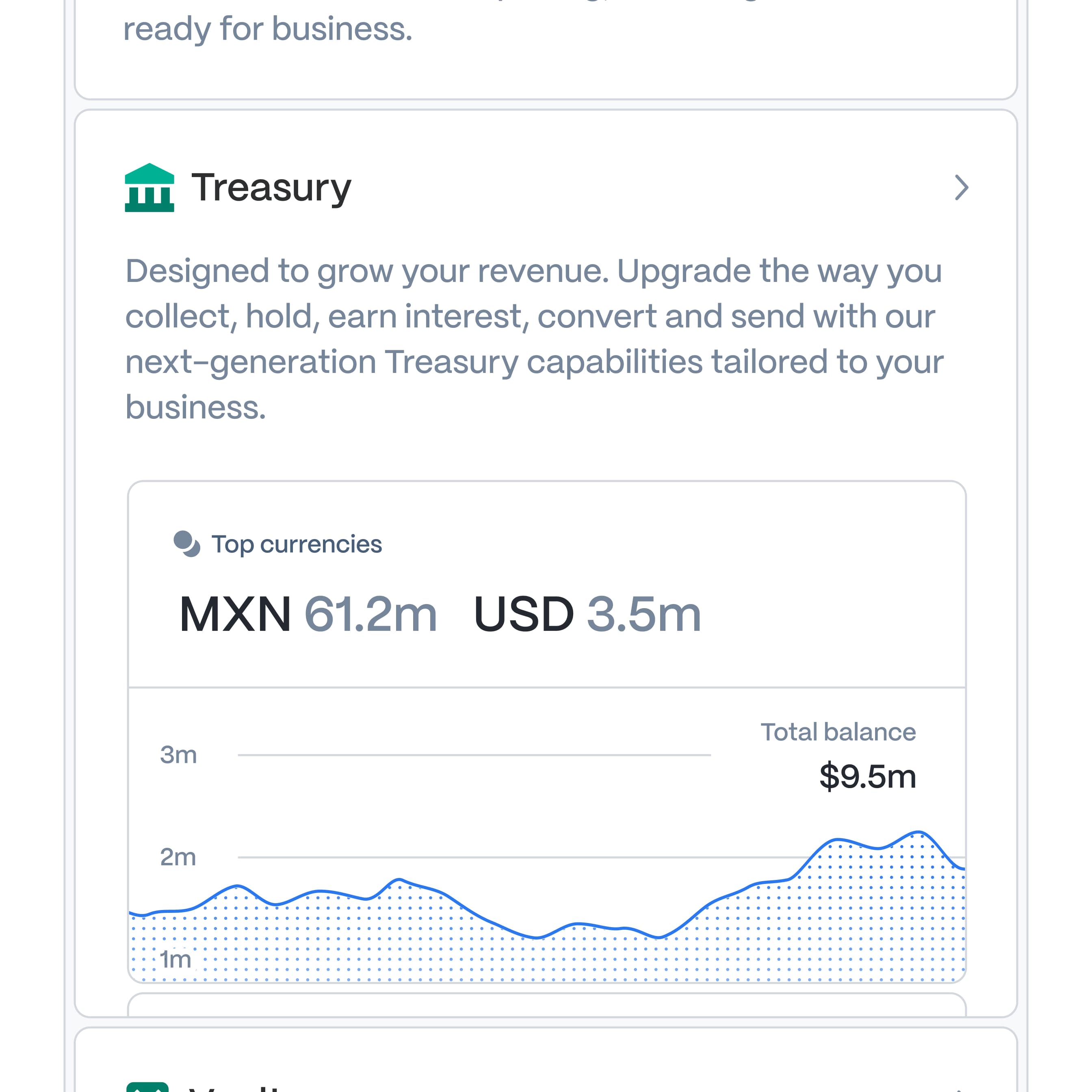
Conveniently, our UX/UI work on the product was already quite advanced. A solid lightweight design system supplied styles and even components. Great for visual consistency and economical development.
We deployed our preferred tech stack: Astro JS, Vercel, and DatoCMS.
But boxes on their own, even neatly animated, can only do so much. So AI-generated dune patterns and animations break up the rigid grid where it matters.
A bit old-school but effective schematic graphics were added to the mix to provide high-level understanding of the complex matter.
And while the muted grey and the digital green are reflective of the serious fintech space, we animated the gradient headlines to go full rainbow on scroll.
Lastly, we workshopped story, copy, and messaging until it passed the peer test.
Turns out complex doesn't have to be hard to swallow. It just needs the right presentation.